

The gambling industry is experiencing a noticeable shift in user behavior. Many sports betting users are now exploring casino games for their overall gaming activity. This transition is not random. It is driven by changes in platform design, user experience, and entertainment preferences. Sports bettors are increasingly finding casino games more accessible and engaging during breaks between matches or outside of sports seasons. Understanding why sports betting users are transitioning into casino games helps explain how modern gambling ecosystems are evolving into integrated entertainment platforms.
Expanding Entertainment Beyond Match Schedules

One of the main reasons for this transition is timing. Sports betting is closely tied to live events and seasonal schedules. When matches are not available, engagement naturally drops. Casino games offer continuous access at any time. There is no waiting for fixtures or game schedules. This makes casino platforms more convenient for users seeking constant entertainment. Players can switch between sports and casino games seamlessly. This flexibility keeps users active on the same platform. As a result, casino games become a natural extension of sports betting activity.
Increasing Exposure Through Unified Betting Platforms
Modern gambling platforms now combine sports betting and casino games in one ecosystem. This integration plays a major role in user transition. Players are exposed to casino games while browsing sports markets. Promotions often encourage cross-platform engagement. Account systems are shared across both sections. This makes switching between betting types effortless. Users who initially join for sports betting gradually explore casino options. Over time, familiarity increases comfort with casino gameplay. This exposure naturally leads to higher participation in casino games.
Enhancing Engagement Through Instant Gameplay

Sports betting often involves waiting for match outcomes. In contrast, casino games provide immediate results. This difference significantly affects user behavior. Casino games offer fast-paced gameplay with instant feedback. Players do not need to wait for long sporting events to finish. This creates a more continuous engagement loop. Users may play casino games while waiting for sports events to begin. The instant nature of casino outcomes adds excitement. This speed appeals to users who prefer quick interaction.
Offering Diverse Risk and Reward Experiences
Sports betting and casino games provide different types of risk experiences. Many users are drawn to the variety in how they engage with gambling. Sports betting often requires analysis of teams and statistics. Casino games rely more on chance and probability. This contrast creates a balanced experience for users. Some players enjoy strategic thinking in sports betting. Others prefer the randomness of casino outcomes. Switching between both allows users to experience different forms of risk. This variety keeps engagement fresh and reduces monotony. Over time, players develop broader gambling habits across both categories.
Encouraging Emotional and Psychological Engagement
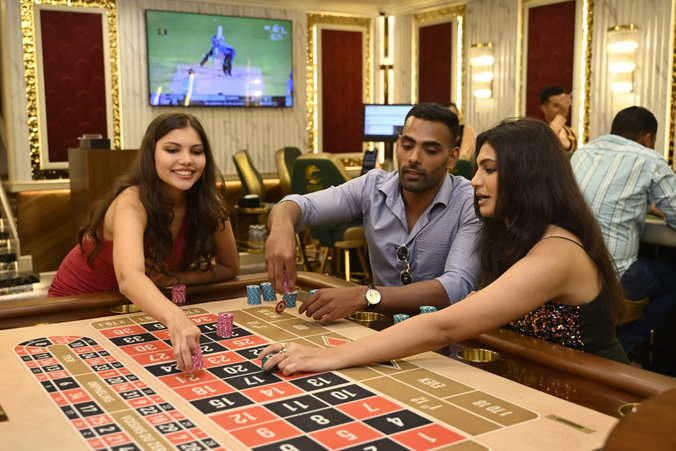
Casino games often provide a different emotional experience compared to sports betting. This emotional shift influences user transition. Casino games offer frequent small wins or losses. This creates a steady rhythm of engagement. Sports betting involves a longer emotional buildup around matches. Casino gameplay delivers quicker emotional feedback. This difference affects how users respond to each format. Some players prefer the fast emotional cycles of casino games. Others enjoy the anticipation of sports events. Many users end up engaging with both for different emotional experiences.
Strengthening Platform Loyalty Through Cross-Engagement
Gambling platforms actively encourage users to participate in both sports…

 In moneyline betting, each team or player is assigned odds that determine the potential payout for a winning bet. These odds can be positive or negative, indicating the likelihood of success. Positive odds indicate an underdog status and offer higher payouts if they win, while negative odds signify a favorite and lower potential winnings. For example, let’s say there’s an upcoming basketball game between Team A and Team B. The sportsbook sets the following moneyline odds: Team A -150 and Team B +200. If you were to bet $100 on Team A at -150, a successful wager would result in a profit of $66 (plus your initial stake), as indicated by the negative odds.
 In this market, oddsmakers set a specific number for the combined score of both teams.