

Casinos are designed to be exciting, immersive, and full of options. From slot machines and card tables to high-stakes roulette and craps, every corner presents a choice. While this abundance of options might feel thrilling at first, it comes with a hidden downside: decision fatigue. The more choices your brain has to process, the quicker your mental energy depletes. By the time you sit down at the tables or spin the slots, your focus may already be compromised, leaving you more prone to mistakes and impulsive bets. Understanding this phenomenon can help you stay sharper and protect your winnings.
Choice Overload on the Floor
 When you first walk into a casino, the sheer number of options can be overwhelming. Hundreds of slot machines with different themes, payout rates, and bonus features compete for your attention. Multiple tables offer poker, blackjack, baccarat, and more, each with slightly different rules. Even experienced gamblers can feel stretched thin deciding where to start. For visitors to كازينو الإمارات العربية المتحدة, the variety of games is part of the draw, but it also illustrates how easily decision fatigue sets in. Every new option adds a mental load, subtly draining your ability to make strategic moves.
The Role of Environment
Casinos aren’t just full of choices—they’re designed to keep you engaged as long as possible. Bright lights, colorful sounds, free drinks, and continuous activity stimulate your senses and encourage constant decision-making. Each notification, spin, or shuffle demands attention, contributing to cognitive load. While these elements create excitement, they also accelerate fatigue, subtly influencing your decisions without your conscious awareness. Understanding how your environment impacts your brain can help you pace yourself and make more deliberate choices.
Time Management as a Defense
One of the simplest ways to counter decision fatigue is to manage your time strategically. Scheduling breaks, limiting the number of games you play at once, and taking moments to rest your mind can preserve mental energy. Even short pauses away from the tables or machines help you reset focus and regain clarity. By pacing yourself, you reduce the risk of impulsive bets and increase your chances of making calculated moves when it matters most. Treating your mental stamina like a valuable resource is just as important as managing your bankroll.
Impulsive Bets and Poor Strategy
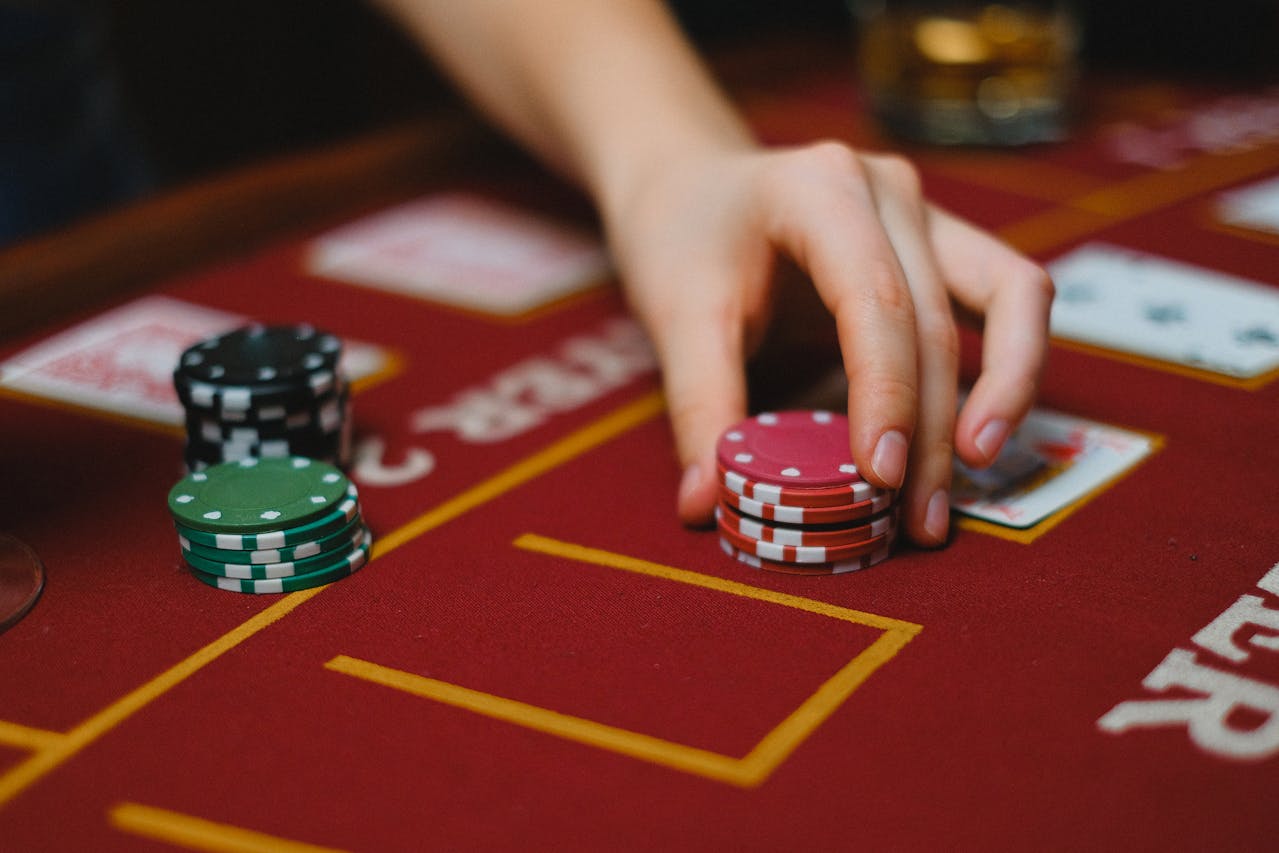
Once your mental energy starts to wane, decision-making becomes shallow. Players may begin to rely on intuition, habit, or impulse rather than strategy. This can manifest as chasing losses, betting larger amounts than planned, or ignoring basic game strategies. Decision fatigue reduces your ability to weigh risks and rewards effectively, which is why even experienced gamblers sometimes make surprisingly poor choices after a long session. Recognizing the early signs of mental exhaustion can help prevent costly mistakes before they happen.
Pre-Planning Your Moves
Another strategy is pre-planning certain decisions before hitting the casino floor. Decide in advance which games you want to play, how much money you’re willing to risk, and what your target or stop-loss limits are. By reducing the number of on-the-spot decisions, you conserve cognitive energy for more meaningful choices, like adjusting strategy during a game. This approach not only mitigates the effects of decision fatigue but also keeps your experience more enjoyable and less stressful.
Decision fatigue is an invisible opponent at every casino. The abundance of choices, combined with stimulating environments and long sessions, can subtly erode your focus, leaving you vulnerable to mistakes and poor bets. By pacing yourself, taking breaks, and pre-planning key decisions, you preserve mental energy and maintain sharper judgment. Understanding how your brain reacts to endless options is a form of strategy in itself—and it might be the edge that separates a casual visit from a smart, winning session.