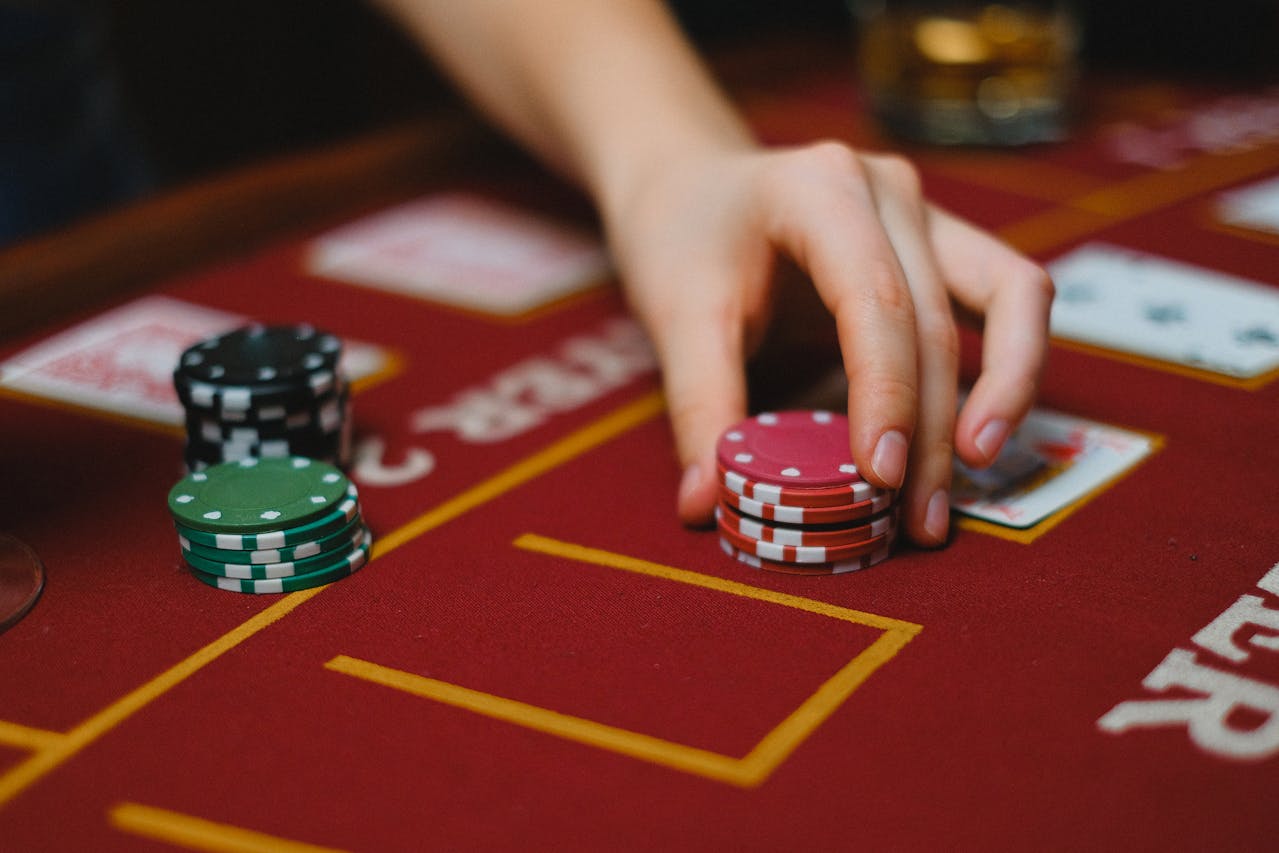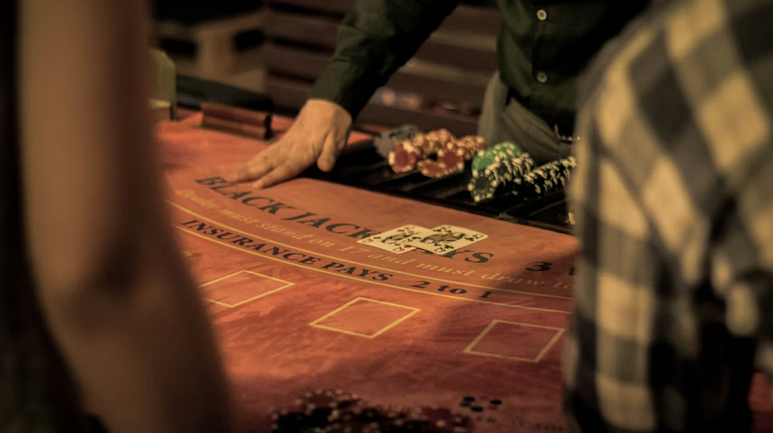
Every casino player eventually develops a rhythm. Some people love quick bursts of action, while others settle in for long gaming stretches. Fortunately for diwa 777 players, the sessions can make them notice the difference after only a few rounds. Your play style often decides how enjoyable the experience feels. There is no universal formula. Some players thrive in short sessions with high focus. Others enjoy marathon sessions where the game flows like background music. The trick is understanding how each style affects your decisions.
The Appeal of Short Casino Sessions
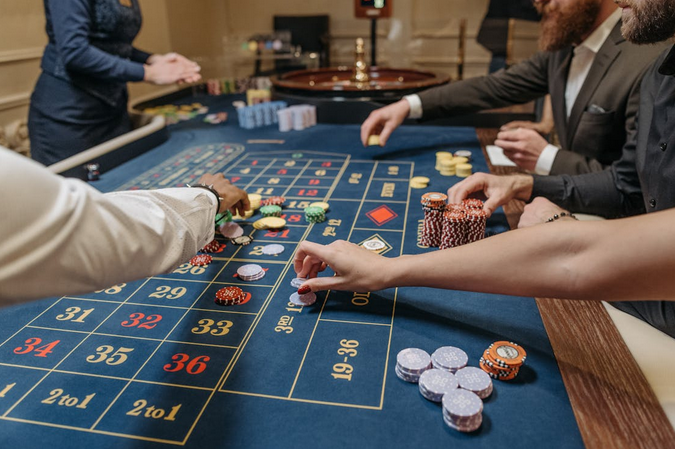
Short sessions feel fast and focused. Players jump in, spin or play a few rounds, and step away before fatigue appears. It feels like grabbing a quick coffee instead of sitting through a long dinner. This style works well for players who enjoy bursts of excitement. A focused twenty-minute session can feel surprisingly productive. Decisions stay sharp because the brain is fresh. Many experienced players use this method during busy days. They treat casino games like a quick break rather than a long event. That balance keeps the experience fun without draining attention.
Why Some Players Love Marathon Sessions
Marathon sessions have a totally different vibe. The player settles in, relaxes, and lets the game unfold slowly. It feels similar to watching several episodes of a favorite show in one evening. Some players say long sessions help them stay calm. Instead of chasing quick results, they ride the natural ups and downs. Patience becomes part of the entertainment. These sessions also allow deeper exploration of different games. Players test strategies, switch tables, or try new titles. For many people, that extended playtime feels satisfying.
The Hidden Risks of Playing Too Long
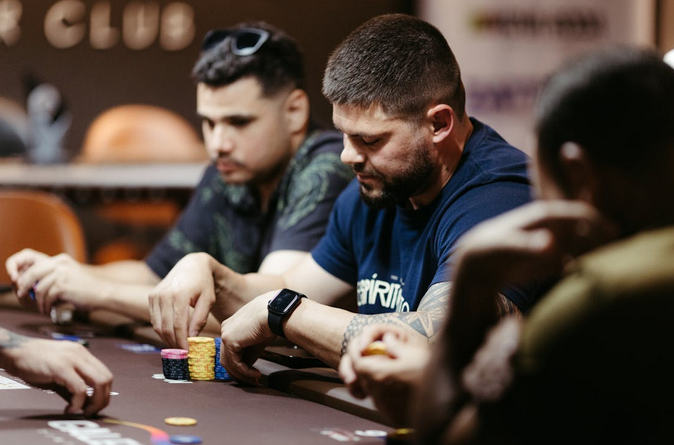
Long sessions carry one sneaky risk: mental fatigue. After extended play, focus slowly fades. Players might miss simple details or start placing careless bets. Imagine driving a car for hours without a break. At first, everything feels easy. Later, your concentration starts slipping. Casino sessions behave the same way. A player who planned carefully early on might suddenly make impulsive decisions. Taking breaks helps prevent that spiral.
The Pressure of Very Short Sessions
Short sessions also have their challenges. Some players feel rushed when time is limited. That pressure can lead to impatient choices. Instead of enjoying the process, they rush every move. The result often feels messy. Casino games reward calm thinking. Even a quick session should feel relaxed. A few extra minutes can turn stress into smooth gameplay.
Your Personal Sweet Spot
Most players eventually land somewhere in the middle. They enjoy moderate sessions with occasional breaks. This balance protects energy while keeping the experience exciting. A common trick is setting a time window before starting. For example, a player might plan a thirty-minute session.
When the timer ends, they step away. This habit creates discipline without killing the fun. Over time, players understand their natural rhythm better. The casino becomes entertainment instead of a marathon of exhaustion. In the end, session style is personal. Some players enjoy quick bursts of excitement. Others enjoy slow, extended play.…

 When you first walk into a casino, the sheer number of options can be overwhelming. Hundreds of slot machines with different themes, payout rates, and bonus features compete for your attention. Multiple tables offer poker, blackjack, baccarat, and more, each with slightly different rules. Even experienced gamblers can feel stretched thin deciding where to start. For visitors to